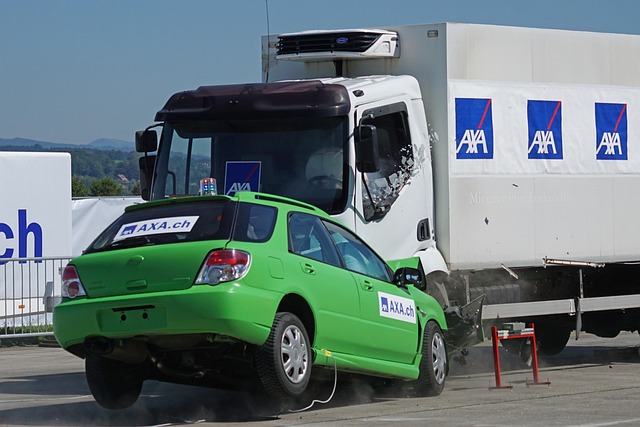







Chiropractic recovery for rear-end collision victims naturally addresses pain and mobility issues by focusing on the spine and nervous system. Manipulation techniques reduce inflammation, alleviate pressure, and improve spinal health. This approach supports mental well-being and stress management, offering a non-invasive solution for muscle soreness caused by accidents. Chiropractors educate patients on injury prevention, empowering them to actively participate in recovery and reduce future risks.
Muscle soreness following a rear-end crash is a prevalent issue impacting countless individuals every day. These collisions can cause significant discomfort and disability, affecting victims’ daily lives and work capabilities. Chiropractic care emerges as a natural and effective solution for managing post-crash muscle soreness, offering a holistic approach to healing.
This article delves into the science behind chiropractic recovery for rear-end collision victims, exploring how specialized adjustments and treatments can alleviate pain, restore mobility, and expedite the body’s natural healing processes. By understanding these techniques, individuals involved in rear-end accidents can make informed decisions regarding their healthcare choices.
- Understanding Muscle Soreness After Rear-End Collisions
- Chiropractic Care for Natural Healing and Recovery
- Comprehensive Strategies to Alleviate and Prevent Post-Crash Discomfort
Understanding Muscle Soreness After Rear-End Collisions

Chiropractic Care for Natural Healing and Recovery

Muscle soreness following a rear-end collision is a common experience, often manifesting as acute pain and stiffness. Chiropractic care stands out as a natural and effective approach to healing and recovery for these victims, addressing not just the physical symptoms but also the underlying causes. This holistic treatment modality focuses on the body’s inherent ability to self-regulate and heal, making it an ideal solution for those seeking a non-invasive, drug-free path to recovery.
Chiropractic recovery for rear-end collision victims naturally involves a multifaceted approach. Chiropractors utilize a combination of manual adjustments, targeted exercises, and patient education to restore proper alignment and function to the spine and surrounding musculature. Adjustments help alleviate nerve compression and reduce inflammation, while specific stretches and strengthening routines target affected muscles, promoting both pain relief and improved mobility. For example, a study published in the Journal of Manual Medicine found that chiropractic care significantly reduced pain and improved functional outcomes for patients experiencing muscle soreness post-accident.
Furthermore, chiropractic care emphasizes patient education, empowering individuals to take an active role in their recovery. Chiropractors teach proper body mechanics, posture, and injury prevention strategies tailored to each patient’s unique needs. This proactive approach not only accelerates healing but also reduces the risk of future injuries. By addressing the root causes of muscle soreness rather than merely masking symptoms, chiropractic recovery provides lasting benefits, ensuring individuals return to their daily activities with enhanced strength, flexibility, and overall well-being.
Comprehensive Strategies to Alleviate and Prevent Post-Crash Discomfort

Muscle soreness following a rear-end crash can significantly impact victims’ daily lives, causing discomfort and reduced mobility. This condition is a common outcome of car accidents, where sudden deceleration leads to various soft tissue injuries. The severity of muscle soreness varies from mild discomfort to debilitating pain, often requiring comprehensive strategies for effective management and prevention. Chiropractic care has emerged as a valuable non-invasive approach, offering natural methods to alleviate post-crash symptoms and aid in recovery.
Chiropractic recovery for rear-end collision victims involves several tailored techniques. Chiropractors assess the individual’s specific injuries, focusing on the spine and surrounding musculature. They employ manual adjustments to correct misalignments, reducing nerve irritation and promoting healing. Additionally, therapists may recommend targeted exercises to strengthen muscles and improve flexibility, enhancing overall resilience against future injuries. Heat and ice therapy, along with electrical stimulation, are other tools in a chiropractor’s arsenal to reduce inflammation and ease soreness naturally. For instance, studies show that chiropractic manipulation combined with exercise can significantly decrease pain and improve function in car accident victims within a few weeks of treatment.
Preventative measures are equally crucial. Following the crash, patients should avoid strenuous activities and maintain a restricted range of motion to prevent further damage. Incorporating regular stretching routines and low-impact exercises into daily life can strengthen muscles and increase flexibility, making them more resilient. Maintaining good posture while sitting, especially during prolonged periods, is another simple yet effective preventative strategy. Chiropractic care also plays a proactive role by providing personalized advice on ergonomics and lifestyle adjustments to minimize the risk of future muscle soreness incidents.
Muscle soreness after a rear-end crash is a common yet uncomfortable experience, but understanding and implementing effective strategies can significantly enhance recovery. Key insights from this article emphasize the importance of natural healing approaches, particularly chiropractic care, as a safe and effective method for rear-end collision victims. By combining chiropractic recovery with comprehensive care plans, individuals can alleviate post-crash discomfort and prevent recurring issues. Practical next steps include seeking professional chiropractic assessment, adopting targeted stretching and exercise routines, and prioritizing adequate rest and hydration. Embracing these strategies empowers individuals to navigate the aftermath of a rear-end collision, fostering a smoother transition towards full recovery and an improved quality of life.