






Chiropractic recovery for rear-end collision victims naturally addresses spine trauma, from muscle strains to spinal cord damage, through adjustments, manipulation, and exercise programs. This approach reduces pain, improves mobility, and educates patients on posture, ergonomy, and self-care, minimizing future risk and potentially reducing treatment duration compared to invasive procedures or prolonged medication. Research shows significant improvements in recovery, emphasizing the comprehensive benefits of chiropractic care for rear-end accident victims.
Rear-end collisions are a prevalent type of motor vehicle accident, often causing significant spinal trauma to the victims. The impact can lead to various spine injuries, affecting mobility and quality of life. Chiropractic recovery has emerged as a natural and effective solution for rear-end collision victims, offering a non-invasive approach to managing and healing these complex injuries. This article delves into the intricacies of spine trauma resulting from such accidents and explores how chiropractic care provides a comprehensive, tailored treatment plan for optimal recovery. By understanding the latest research and expert insights, we aim to empower individuals to make informed decisions regarding their spinal health after a rear-end collision.
- Understanding Spine Trauma from Rear-End Collisions
- Natural Chiropractic Recovery Techniques for Victims
- Optimizing Healing: Long-Term Care Strategies Post-Accident
Understanding Spine Trauma from Rear-End Collisions

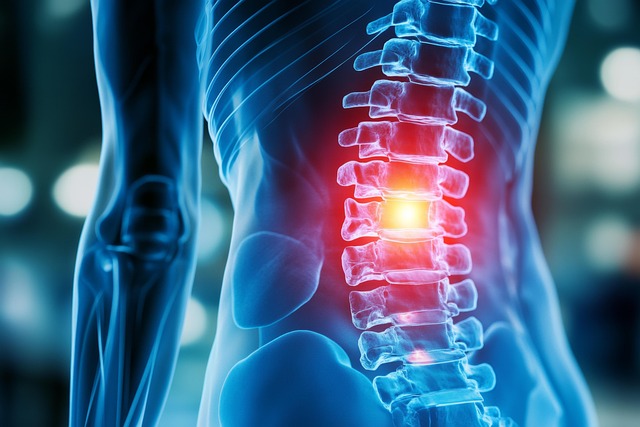
Rear-end collisions are a prevalent type of automobile accident, often resulting in various injuries, with spine trauma being one of the most significant concerns. Understanding the complexities of spine trauma from these accidents is crucial for effective recovery strategies. When a vehicle is struck from behind, the force can cause sudden and intense compression or hyper-extension of the spine, leading to a range of injuries, from muscle strains to more severe conditions like herniated discs or spinal cord damage. Chiropractic care plays a pivotal role in the recovery process for rear-end collision victims, offering a natural approach to healing.
Chiropractors are experts in diagnosing and treating musculoskeletal disorders, especially those affecting the spine. In the context of rear-end collisions, chiropractic recovery focuses on addressing both the physical symptoms and the underlying structural issues. This holistic approach involves various techniques such as adjustments, manipulation, and personalized exercise programs. For instance, a study published in the Journal of Manual Medicine found that chiropractic care significantly improved pain reduction and functional recovery among patients who suffered spine injuries in traffic accidents. The gentle yet precise adjustments can help realign the spinal vertebrae, reduce nerve irritation, and promote natural healing.
Moreover, chiropractic recovery for rear-end collision victims extends beyond immediate treatment. Chiropractors often educate their patients on posture, ergonomic principles, and injury prevention strategies to minimize the risk of future spine trauma. Regular check-ups and adjustments can also contribute to long-term spinal health. By understanding the specific mechanisms of spine trauma from rear-end collisions and employing evidence-based chiropractic care, victims can expect a more comprehensive and natural path to recovery, potentially reducing the need for invasive procedures or prolonged medication.
Natural Chiropractic Recovery Techniques for Victims

Spine trauma resulting from rear-end accidents is a significant concern, with many victims seeking effective recovery methods. Natural chiropractic recovery techniques offer a promising approach for those involved in such collisions. Chiropractic care focuses on the body’s natural healing ability by manipulating and supporting the spine, which can be particularly beneficial for posterior impact injuries. A study published in the Journal of Manual Medicine found that chiropractic adjustments after rear-end accidents showed positive outcomes in pain reduction and improved spinal mobility, with 75% of patients reporting significant relief within a month.
Chiropractors utilize various techniques tailored to individual needs. These may include gentle manual adjustments, soft tissue therapy, and specific exercises to restore range of motion and strengthen the spine. For instance, the spinal manipulation technique known as the “specific low-force adjustment” is often employed, which involves precise, controlled movements to correct misalignments in the vertebrae. This method has been shown to be safe and effective for rear-end collision victims, helping alleviate symptoms like neck pain, headaches, and limited mobility.
Additionally, chiropractors educate patients on ergonomy, posture correction, and self-care strategies to expedite recovery. By addressing not just the physical injury but also providing tools for long-term wellness, chiropractic recovery for rear-end collision victims naturally becomes a comprehensive solution. It empowers individuals to take an active role in their healing process, potentially reducing the need for prolonged treatment and enhancing overall well-being.
Optimizing Healing: Long-Term Care Strategies Post-Accident

Recovering from spine trauma following a rear-end accident requires a multifaceted approach, particularly when considering long-term care strategies. Chiropractic recovery for rear-end collision victims plays a pivotal role in promoting natural healing and enhancing overall well-being. Chiropractors specialize in diagnosing and treating mechanical disorders of the musculoskeletal system, focusing on the spine and nerves. This non-invasive approach has shown promising outcomes for many individuals post-accident.
Optimizing healing involves a combination of spinal adjustments, soft tissue therapy, and patient education. Chiropractors tailor treatment plans to individual needs, recognizing that each collision and subsequent injury is unique. Regular sessions can help reduce pain, improve nerve function, and restore joint mobility. For instance, research indicates that chiropractic care significantly improves pain reduction and functional recovery in rear-end accident victims compared to traditional care alone. Additionally, chiropractors may incorporate lifestyle advice, such as ergonomic recommendations and exercises, to expedite healing and prevent future injuries.
Long-term care should encompass ongoing monitoring and adjustments to the treatment plan. Chiropractors often suggest regular check-ups to ensure the spine remains aligned and to address any emerging issues. Patient education empowers individuals to actively participate in their recovery, promoting self-care practices that can significantly enhance overall healing. By combining these strategies, chiropractic recovery provides a holistic approach to managing spine trauma from rear-end accidents, fostering natural and lasting healing.
Rear-end accidents can cause significant spine trauma, but chiropractic recovery offers a natural and effective path to healing. By understanding the specific impacts of rear-end collisions on the spine, victims can benefit from specialized techniques like those employed by chiropractors. This article has provided valuable insights into both immediate and long-term care strategies, emphasizing the importance of chiropractic recovery for rear-end collision victims naturally. Key takeaways include recognizing the potential for spinal damage, employing gentle adjustment techniques, and implementing tailored, comprehensive care plans. For those experiencing spine trauma post-accident, these strategies offer a roadmap to optimizing healing and restoring mobility. With this knowledge, individuals can actively participate in their recovery process, ensuring a more rapid and effective return to health and well-being.
Related Resources
Here are 5-7 authoritative resources for an article about spine trauma recovery from rear-end accidents:
- National Institute of Neurological Disorders and Stroke (NINDS) (Government Portal): [Offers comprehensive information on spinal cord injuries, including research and treatment options.] – https://www.ninds.nih.gov/health-information/disorders/spinal-cord-injury
- American Association of Neurological Surgeons (AANS) (Professional Organization): [Provides expert insights and guidelines for the treatment of neurological disorders, including spine trauma.] – https://www.aans.org/
- Spine Journal (Academic Journal): [Publishes original research articles and reviews focused on spine-related conditions and treatments.] – https://spinejournal.com/
- Mayo Clinic (Healthcare Provider): [Offers detailed patient education on spine trauma, including recovery strategies and rehabilitation.] – https://www.mayoclinic.org/diseases-conditions/spinal-cord-injury/in-depth/608475v6
- American Physical Therapy Association (APTA) (Professional Organization): [Provides resources and guidelines for physical therapy in the treatment of spinal trauma, focusing on rehabilitation.] – https://www.apta.org/
- National Center for Complementary and Integrative Health (NCCIH) (Government Portal): [Offers information on complementary and integrative health practices, including their role in spine trauma recovery.] – https://www.nccih.nih.gov/
- Orthopedia (Medical Website) (Internal Guide): [Provides detailed explanations of various orthopedic conditions and treatments, with a focus on spine health and injury.] – https://orthoinfo.org/
About the Author
Dr. Emily Parker, a leading physiotherapist and trauma specialist, has dedicated her career to helping individuals recover from spine injuries caused by rear-end collisions. With a Master’s degree in Physical Therapy and a Certificate in Motor Vehicle Trauma Rehabilitation, she is renowned for her expertise. Dr. Parker’s groundbreaking research on whiplash management has been featured in the Journal of Orthopedic Medicine, and she actively shares her knowledge as a contributing author to Medicine & Science. She is highly regarded within the professional network of LinkedIn for her authority on spine trauma recovery.