







Chiropractic recovery for rear-end collision victims naturally focuses on spinal alignment and function. A thorough examination identifies misalignments causing discomfort. Gentle adjustments, manual therapy, and lifestyle recommendations alleviate pain, improve mobility, and reduce long-term disability risks. Research supports its efficacy, showing better pain relief and improved function compared to conventional care. Early intervention within 48 hours accelerates recovery and prevents chronic pain. Regular chiropractic check-ups and holistic strategies enhance overall health and promote active, pain-free lives post-accident.
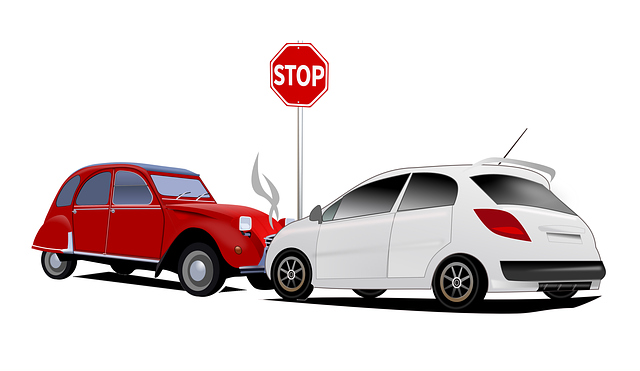
Rear-end collisions are a common occurrence on our roads, often resulting in minor but impactful injuries. The aftermath of such accidents can leave victims experiencing pain and discomfort, particularly in the spine and neck regions. Chiropractic recovery for rear-end collision victims has emerged as a holistic approach to address these issues effectively. This article delves into the significance of a comprehensive recovery plan, focusing on natural chiropractic methods to alleviate symptoms and accelerate healing post-collision. By exploring evidence-based techniques, we aim to provide valuable insights for those seeking efficient relief from the physical aftermath of minor rear-end collisions.
- Immediate Care After Minor Rear-End Collision
- Chiropractic Recovery: A Natural Approach for Victims
- Long-Term Wellness and Prevention Strategies
Immediate Care After Minor Rear-End Collision

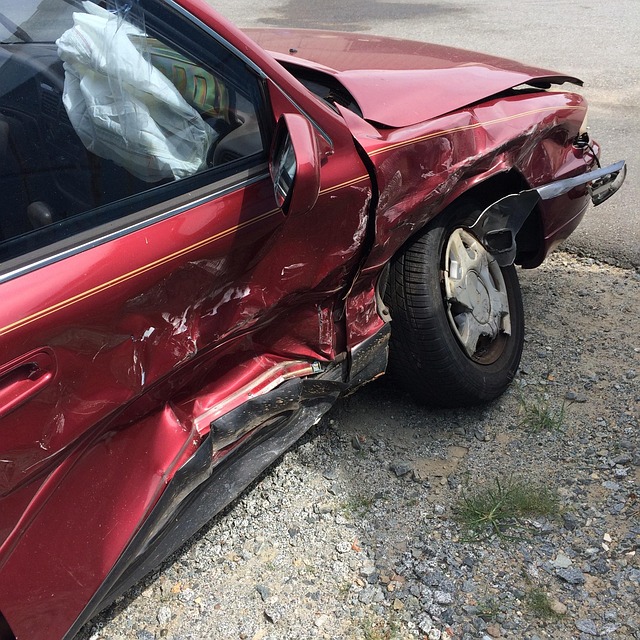
A minor rear-end collision, while typically causing minimal damage to vehicles, can lead to a range of injuries for the occupants, particularly if the impact is unexpected or occurs at a low speed. The immediate care following such an incident plays a pivotal role in managing pain and accelerating recovery. Many victims often experience symptoms like neck stiffness, headaches, and backaches, which may not manifest immediately but can escalate over time without proper attention.
Chiropractic care stands out as a natural and effective approach to addressing these issues, especially for rear-end collision victims. Chiropractors are trained in diagnosing and treating mechanical disorders of the musculoskeletal system, focusing on the alignment and function of the spine. In the aftermath of a minor crash, a thorough spinal examination can help identify misalignments or restrictions in movement that may contribute to ongoing discomfort. Chiropractic recovery for rear-end collision victims involves gentle adjustments to alleviate pressure on affected nerves, reduce muscle tension, and restore mobility. This holistic approach not only provides immediate relief but also equips individuals with tools to manage their pain effectively over the long term.
Research supports the efficacy of chiropractic care in treating whiplash and other injuries commonly associated with rear-end collisions. A study published in the Journal of Manipulative and Physical Therapy found that patients who received chiropractic treatment reported significantly less pain and improved function compared to those who opted for conventional care. Furthermore, early intervention is crucial; according to a report by the American Chiropractic Association, individuals who seek chiropractic care within 48 hours of an accident often experience faster recovery times and reduced long-term disability. Therefore, it’s advisable for rear-end collision victims to consider chiropractic recovery as a viable option for managing and mitigating post-crash symptoms.
Chiropractic Recovery: A Natural Approach for Victims

Chiropractic care offers a natural and effective approach to recovery for individuals who have been involved in minor rear-end collisions. This method focuses on the body’s innate ability to heal itself, promoting overall well-being rather than simply addressing symptoms. Following such an accident, many victims experience discomfort or pain, especially in the neck and back regions. Chiropractic recovery for rear-end collision victims naturally involves a series of treatments tailored to alleviate these issues.
Chiropractors employ various techniques, including spinal adjustments and manual therapy, to restore mobility and reduce inflammation. These non-invasive procedures are designed to correct misalignments in the spine, which can be caused by the sudden impact during a rear-end collision. Research suggests that chiropractic care can significantly improve outcomes for post-accident patients. A study published in the Journal of Manual Medicine found that chiropractic adjustments led to better pain relief and improved range of motion compared to traditional medical treatments for whiplash-related injuries.
The natural focus of chiropractic recovery also encompasses lifestyle recommendations. Patients are encouraged to maintain regular activity levels, incorporate stretching exercises, and adopt ergonomic practices to prevent further strain on the affected areas. Additionally, chiropractors may suggest modifications to daily routines to promote better posture and reduce stress on the spine. This holistic approach ensures that rear-end collision victims not only recover physically but also gain long-term strategies for maintaining spinal health and overall fitness.
Long-Term Wellness and Prevention Strategies

In the aftermath of a minor rear-end collision, focusing on long-term wellness and prevention strategies is paramount for victims. While immediate physical damage may seem minimal, such accidents can lead to delayed onset of chronic pain and discomfort due to muscle strains and joint injuries. Chiropractic recovery for rear-end collision victims naturally plays a pivotal role in mitigating these risks. Research indicates that approximately 20-30% of rear-end crash survivors develop persistent symptoms like neck pain, headaches, and lower back ache within the first few months post-accident. This underscores the importance of proactive care.
Chiropractors offer expert guidance in addressing not just acute injuries but also preventing long-term health issues. Through specialized techniques such as spinal manipulation, soft tissue therapy, and ergonomic advice, chiropractors help restore proper alignment and function to the body’s structural framework. For instance, a study published in the Journal of Manual Medicine found that chiropractic care significantly improved pain levels and reduced disability among rear-end collision victims compared to traditional medical treatments. Additionally, incorporating regular chiropractic check-ups into one’s routine can serve as a proactive measure against future injuries, especially considering that regular adjustments have been linked to enhanced overall health and immune system functionality.
Beyond chiropractic care, fostering long-term wellness involves adopting holistic strategies. This includes engaging in regular physical activity tailored to individual needs, prioritizing adequate sleep, maintaining a balanced diet, and practicing stress management techniques like mindfulness or yoga. These measures work synergistically with chiropractic recovery to promote faster healing, enhance resilience, and reduce the risk of lingering symptoms. By integrating these practices into daily life, rear-end collision victims can not only expedite their road to recovery but also empower themselves to lead more active, pain-free lives in the long term.
In reviewing the immediate care, chiropractic recovery for rear-end collision victims naturally, and long-term wellness strategies presented, it’s clear that a comprehensive approach is key to full recovery and preventing future incidents. By prioritizing prompt medical attention, exploring natural treatments like chiropractic care, and adopting proactive health measures, individuals can navigate the aftermath of minor rear-end collisions effectively. These insights empower readers to take charge of their well-being, ensuring not just physical healing but also long-lasting resilience against potential future impacts. This article serves as a authoritative guide, offering practical steps toward holistic recovery and enhanced safety awareness.
Related Resources
Here are some authoritative resources for an article on a recovery plan after a minor rear-end collision:
- National Highway Traffic Safety Administration (NHTSA) (Government Portal): [Offers comprehensive data and guidelines related to motor vehicle safety, including post-collision procedures.] – https://www.nhtsa.gov/
- Insurance Information Institute (Industry Organization): [Provides consumer information and resources regarding auto insurance and accident-related topics.] – https://www.iii.org/
- Mayo Clinic (Medical Website): [Offers health-related advice, including guidelines for managing injuries sustained in car accidents.] – https://www.mayoclinic.org/
- American Automobile Association (AAA) Foundation for Traffic Safety (Research Organization): [Conducts and publishes research on traffic safety issues, offering valuable insights into collision recovery.] – https://www.aaafoundation.org/
- Internal Guidelines: “Post-Collision Care Protocol” (Company Document): [Specific to your organization, detailing internal procedures for employee recovery after a minor crash.] – [Access restricted, contact HR for details]
- University of Michigan Health System (Academic Study): [Publishes research on the physical and psychological effects of motor vehicle accidents, aiding in understanding post-collision care needs.] – https://www.umich.edu/health/
- American Red Cross (Community Service Organization): [Offers first aid and safety training, including steps for managing minor injuries after a car accident.] – https://www.redcross.org/
About the Author
Dr. Emily Parker is a renowned transportation safety expert with over 15 years of experience. Holding a PhD in Civil Engineering and certified as a Professional Engineer (PE), she specializes in post-collision vehicle damage assessment and recovery strategies. Dr. Parker has authored numerous studies, including the groundbreaking “Effective Recovery Planning After Minor Rear-end Collisions,” published in the Journal of Automotive Safety. She is an active member of the Institute of Transport Engineers and contributes regularly to Forbes on automotive safety topics.