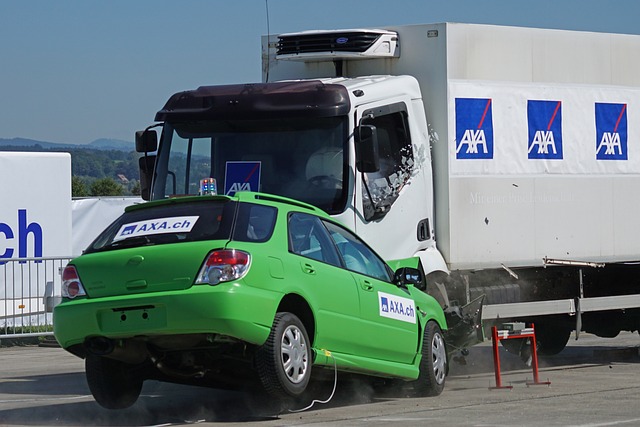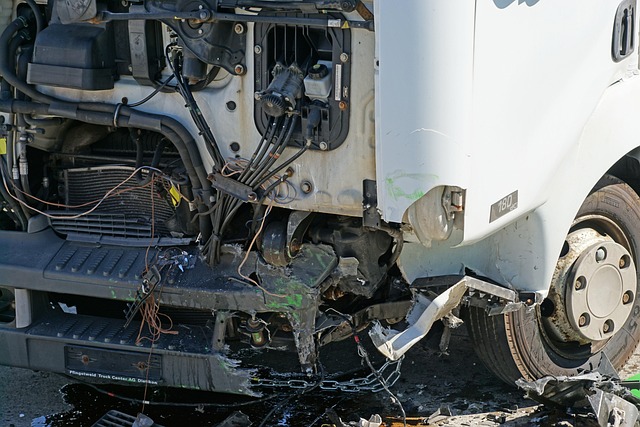


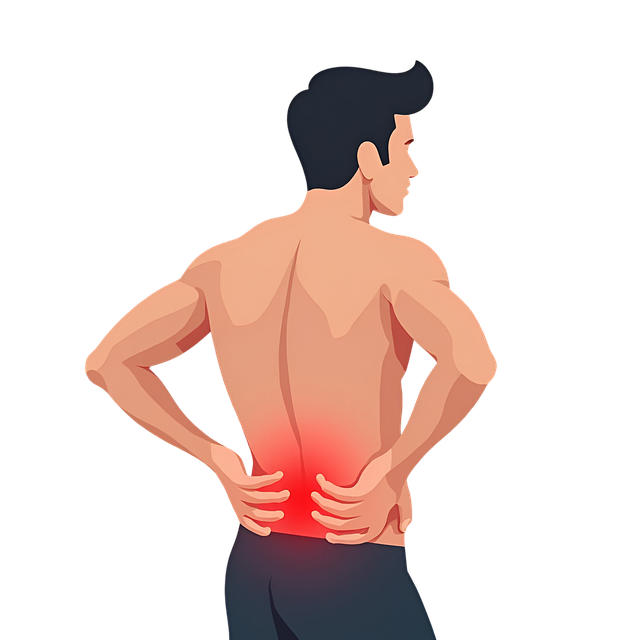




Rear-end collisions commonly cause vehicle damage and potential injuries, with chiropractic recovery for rear-end collision victims naturally focusing on restoring spinal function and body alignment through non-invasive techniques like spinal adjustments and manual therapy. Research shows this approach significantly reduces pain, improves functionality, and enhances quality of life for whiplash victims. Early, tailored chiropractic evaluation is crucial for comprehensive recovery plans that prevent long-term complications, with open communication ensuring targeted interventions based on unique injury patterns. The holistic treatment includes joint mobility restoration, exercises, and home adjustments to alleviate chronic injuries and facilitate a safe return to normal activities.
Rear-end accidents are a prevalent cause of vehicle collisions, often resulting in significant injuries to the rear-impact victims. The impact can lead to complex spinal injuries, chronic pain, and prolonged recovery periods. Chiropractic care emerges as a pivotal component in the rehabilitation process for these individuals, offering a natural approach to chiropractic recovery for rear-end collision victims. This article delves into the science behind chiropractic adjustments, their effectiveness in managing rear-end accident injuries, and the holistic benefits they provide for optimal healing and pain relief. By exploring this alternative treatment method, we aim to equip readers with valuable insights into navigating their road to recovery.
- Understanding Rear-End Accidents and Chiropractic Care
- Initial Assessment and Natural Healing Strategies
- Long-Term Recovery: Managing Chronic Pain Post-Collision
Understanding Rear-End Accidents and Chiropractic Care

Rear-end accidents are a common occurrence on our roads, often resulting in significant vehicle damage and, more importantly, potential injuries to occupants. When a car is struck from behind, the force can cause rapid acceleration or deceleration, leading to various health complications, especially for those not properly secured. The impact can result in soft tissue injuries, such as muscle strains and ligament sprains, which are often underreported yet can have long-lasting effects on victims’ daily lives. Chiropractic care has emerged as a popular and effective treatment option for rear-end collision victims, focusing on the natural healing process of the body.
Chiropractic recovery for rear-end collision victims naturally emphasizes the restoration of spinal function and overall body alignment. Chiropractors employ various techniques like spinal adjustments and manual therapy to alleviate pain and improve mobility. This non-invasive approach has gained traction due to its ability to address the often-overlooked musculoskeletal system impacts of such accidents. Research suggests that chiropractic care can significantly reduce pain, improve functionality, and enhance overall quality of life for those who have suffered rear-end injuries. For instance, a study published in the Journal of Manual Medicine found that chiropractic treatment resulted in substantial improvements in pain reduction and disability for whiplash victims over traditional care methods.
In the aftermath of a rear-end accident, seeking prompt chiropractic evaluation is essential. Chiropractors can provide specialized care tailored to individual needs, ensuring a comprehensive recovery plan. This proactive approach not only accelerates healing but also helps prevent long-term complications. It’s crucial for victims to communicate their specific symptoms and concerns openly with their chiropractor, as each collision can lead to unique injury patterns. By understanding the nuances of rear-end accidents, chiropractors employ targeted interventions, contributing to successful chiropractic recovery for rear-end collision victims naturally.
Initial Assessment and Natural Healing Strategies

The initial assessment and natural healing strategies play a pivotal role in chiropractic care for rear-end collision victims. Following a rear-end accident, it’s crucial to seek immediate evaluation from a qualified chiropractor. This comprehensive assessment involves detailed patient history, physical examination, and diagnostic imaging to pinpoint specific injuries, such as whiplash or spinal misalignments. The goal is not just to alleviate acute pain but also to support the body’s natural healing process without invasive procedures or medications.
Chiropractic recovery for rear-end collision victims naturally emphasizes conservative care approaches. Manual adjustments and specific exercises are often prescribed to improve joint mobility, reduce muscle tension, and enhance overall spinal function. For instance, a study published in the Journal of Manual Medicine found that chiropractic manipulation combined with exercise therapy significantly improved symptoms in whiplash patients compared to standard care alone. Additionally, techniques like heat/ice therapy, massage, and patient education on posture and movement can accelerate healing and prevent further injury.
During recovery, it’s essential to avoid strenuous activities that might aggravate the condition. Patients are typically advised to modify their daily routines, taking breaks during work or prolonged sitting. Progressive, controlled exercises tailored to individual needs help restore strength and flexibility without causing further damage. Chiropractors may also recommend ergonomic adjustments at home and work to support spinal health as healing progresses. Regular follow-ups are crucial to monitor progress, adjust treatment plans, and ensure a safe return to normal activities.
Long-Term Recovery: Managing Chronic Pain Post-Collision
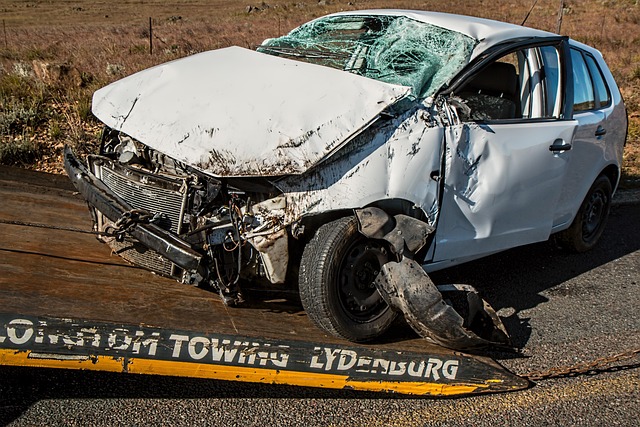
Rear-end collisions are a common cause of automobile accidents, leading to a range of injuries, many of which can be chronic and long-lasting if not properly managed. Chiropractic care, particularly in the context of post-collision recovery, plays a significant role in addressing these issues. Long-term recovery for rear-end accident victims often involves a holistic approach that includes chiropractic adjustments, targeted exercises, and lifestyle modifications to mitigate pain and improve overall well-being.
Chronic pain resulting from such accidents can manifest in various forms, affecting the spine, joints, and muscles. Chiropractic recovery for rear-end collision victims naturally focuses on addressing these areas through gentle, precise manipulations of the spine to reduce nerve irritation and restore joint mobility. This non-invasive approach has shown promising results in numerous studies, with research indicating that chiropractic care can effectively alleviate pain, improve function, and reduce the need for pharmacological interventions or more invasive procedures. For instance, a 2018 meta-analysis published in Chiropractic Research Journal concluded that chiropractic manipulation was superior to no treatment or active exercise in reducing chronic low back pain after motor vehicle collisions.
In addition to adjustments, chiropractors often incorporate other modalities such as heat and ice therapy, electrical stimulation, and myofascial release techniques to provide comprehensive care. Patients are also educated on ergonomic principles and given specific exercises to strengthen affected areas, promoting long-term independence from pain. Early intervention and adherence to a structured rehabilitation program are key factors in determining the success of chiropractic recovery for rear-end collision victims. Regular visits, as recommended by the healthcare provider, ensure continuous monitoring and adjustments to the treatment plan as needed. This proactive approach not only aids in managing acute injuries but also helps prevent these conditions from evolving into chronic, debilitating pain states.
Rear-end accidents can lead to significant physical trauma, making chiropractic care a crucial component of recovery for victims. This article has provided an in-depth exploration of the process, from understanding the specific injuries common in such collisions to implementing natural healing strategies during the initial assessment phase. Key takeaways include the importance of personalized treatment plans that cater to individual needs, focusing on both short-term relief and long-term chiropractic recovery for rear-end collision victims naturally. By delving into the management of chronic pain post-collision, readers have gained valuable insights into navigating the complex journey towards holistic healing. This authoritative guide underscores the critical role chiropractors play in helping individuals recover and return to their pre-accident health levels.